Sensory overload can feel like a thunderstorm in the mind—every noise, light, and touch becomes a flash of lightning. For an autistic girl, these moments can quickly turn from ordinary to overwhelming, leaving her exhausted and anxious. This article walks you through understanding, spotting, and easing sensory overload, while keeping the tone professional yet approachable—and yes, a sprinkle of humor to keep the mood light.
What Is Sensory Overload?
Sensory overload happens when the brain receives more sensory input than it can process. Think of it as a crowded subway car: everyone’s shouting, music blaring, and the lights flickering. The brain, already tuned to filter inputs, struggles to keep up. For autistic individuals, sensory thresholds are often lower, so everyday stimuli can feel like a full‑blown rave.

The Brain’s “Filter”
- Low threshold: Small stimuli trigger strong responses. High threshold: The brain may ignore or misinterpret signals. Overload: The filter breaks, leading to discomfort or shutdown.
Why It Matters
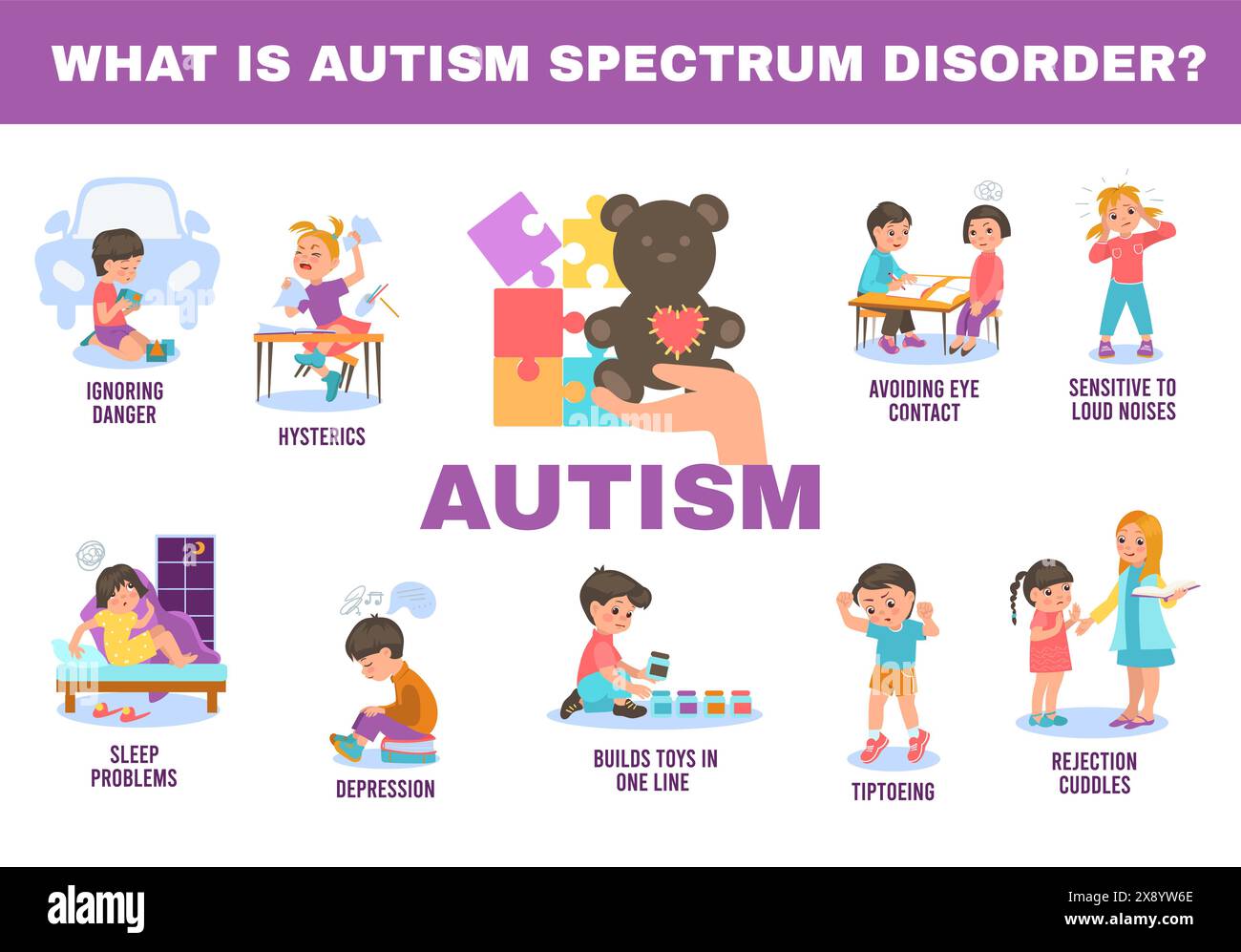
When an autistic girl experiences overload, she may:
- Seek isolation or become withdrawn. Exhibit sudden agitation or crying. Show physical symptoms like headaches or nausea.
Recognizing these signs early Social communication deficits can prevent escalation.
Spotting the Signs Early
Do you ever wonder if your daughter’s sudden quietness is a sign of something deeper? Here are clear indicators to watch for:
- Physical cues: Tightening of the jaw, clenched fists, or rapid breathing. Behavioral shifts: Sudden avoidance of social settings or a change in routine. Emotional spikes: Irritability or tears without an obvious trigger.
A quick anecdote: One summer, Maya—an energetic 9‑year‑old—refused to wear her backpack. The reason? The strap’s pressure felt like a tiny, relentless drumbeat. When we switched to a softer, padded version, she returned to her usual sunny self within hours. Small changes can make a world of difference.
> “The best way to predict the future is to create it.” – Peter Drucker
This quote reminds us https://zenwriting.net/zerianlmnd/what-are-the-common-myths-about-autism-assessment-in-regional-australia that proactive adjustments can transform potential chaos into calm.
Building a Sensory‑Friendly Environment
Creating a sanctuary at home or school is like designing a spa for the senses. Here’s how to start:
Lighting
- Natural light: Open curtains during the day. Soft lamps: Use warm‑tone bulbs; avoid flickering LEDs. Dimmer switches: Allow adjustment to suit mood and time of day.
Sound
- Noise‑cancelling headphones: Great for sudden crowds or loud events. White‑noise machines: Mask sharp sounds with gentle background hums. Quiet zones: A dedicated corner with plush seating and minimal electronics.
Touch & Texture
- Comfortable fabrics: Soft, breathable materials for clothing and bedding. Sensory toys: Fidget spinners or stress balls that provide tactile feedback. Avoid irritants: Tight collars, scratchy tags, or rough surfaces can trigger discomfort.
Smell
- Essential oils: Lavender or chamomile can soothe. Avoid strong scents: Perfumes, cleaning products, or strong food odors may be overwhelming.
Routine
- Predictable schedules: Visual timetables help the brain anticipate transitions. Countdown timers: Give a heads‑up before a change, reducing the shock factor.
Practical Strategies for Daily Life
Once the environment is set, daily practices can reinforce calmness.
Pre‑Planning
- Checklists: Pack school bags with sensory‑friendly items. Backup plans: Have an alternative activity ready if a planned outing becomes too stimulating.
Communication
- Visual supports: Use picture cards or icons to explain expectations. Simple language: Short sentences help reduce cognitive load.
Breaks
- Micro‑breaks: Short pauses during tasks to regroup. Sensory breaks: A quiet corner, a brief walk outside, or a quick stretch.
Social Interactions
- Small groups: Fewer people reduce noise and visual clutter. Clear rules: Explain acceptable behaviors and boundaries.
Mindful Techniques
- Breathing exercises: Deep, slow breaths can calm the nervous system. Grounding activities: Counting objects or focusing on textures helps redirect attention.
Supporting Emotional Well‑Being
Sensory overload isn’t just physical; it deeply impacts emotional health.
Validation
- Acknowledge feelings: “I see you’re overwhelmed. Let’s take a break.” Avoid judgment: Reactions like “just calm down” can worsen anxiety.
Empowerment
- Choice: Let her decide when to use sensory tools or take a break. Self‑advocacy: Teach simple phrases for expressing needs.
Positive Reinforcement
- Celebrate calm moments: Praise efforts to manage overload. Reward systems: Use tokens or stickers for coping successes.
When to Seek Professional Help
Sometimes, despite best efforts, overload persists. Signs that professional guidance may be needed include:
- Frequent shutdowns: Repeated episodes that last hours or days. Physical injury: Falling or bumping into objects during overload. Severe anxiety: Panic attacks or extreme distress.
Occupational therapists, psychologists, and pediatricians can offer tailored strategies and support.
Turning Challenges into Triumphs
Imagine a world where sensory overload is not a roadblock but a detour—one that leads to a deeper understanding of your daughter’s unique needs. By creating supportive environments, practicing mindful strategies, and maintaining open communication, you empower her to navigate the world with confidence.
A Final Thought
Isn’t it amazing how a few adjustments—like swapping a stiff backpack for a padded one—can change a day? Small, intentional actions create ripples that grow into waves of resilience. As you continue to learn and adapt, remember that every step forward, no matter how tiny, is a victory.
If you’re ready to implement these strategies, start with one change today. Watch how a calm environment or a simple breathing exercise can transform a potentially overwhelming moment into a peaceful pause. Your support is the key that unlocks a brighter, more balanced future for your autistic girl with sensory overload.