Autism assessment can feel like navigating a maze, especially when the map is full of myths. Many parents, educators, and even clinicians hold onto outdated beliefs that slow progress and add unnecessary stress. This article tackles the most persistent misconceptions about autism assessment in Australia, clears the fog, and offers a clearer path forward. By the end, you’ll know what to expect, what to ask, and how to advocate effectively—without feeling like you’re chasing a mirage.
Myth 1: Autism Assessment is a Quick Fix
The “One‑Day Wonder” Illusion
It’s tempting to think a single appointment can unearth every answer. In reality, an autism assessment is a multi‑step expedition. Think of it as a treasure hunt: you need the right tools, clues, and patience to find the hidden gems.
- Initial screening – a brief questionnaire or observation Comprehensive evaluation – interviews, standardized tests, and collateral reports Follow‑up discussion – interpreting results and planning next steps
Rhetorical question: Have you ever tried to solve a mystery with only a single clue? The answer is https://wakelet.com/wake/D4UkTM_vuOGPdlJf7mesi almost never.
Anecdote
When Emma’s mother called the clinic, she expected a quick diagnosis and a list of services. The clinician explained the process would take several weeks, with a team of specialists. Emma’s mother laughed, “I thought we were signing up for a one‑day spa retreat!” The reality was a thorough assessment that laid a solid foundation for future support.
Myth 2: Only Children Get Assessed
Adult Assessments are a Mythical Creature
Adults often hear that autism assessment is a childhood service and wonder if they’re “too old” to be evaluated. The truth is, many adults discover their diagnosis later in life, and assessment can provide clarity, coping strategies, and access to resources.
- Self‑report questionnaires tailored for adults Clinical interviews that explore developmental history Collaboration with occupational therapists to assess daily living skills
Quote: “An adult diagnosis can be a turning point, like finding a map in a foggy forest.” – Dr. Sarah Patel, child psychologist
Rhetorical question
Why would a grown‑up need a diagnosis? Because understanding your neurological profile can unlock doors to better mental health, career support, and community connections.
Myth 3: Assessment is the Same Everywhere
The “One‑Size‑Fits‑All” Fallacy
Australia’s assessment practices vary by region, provider, and even by the specific team involved. While core elements—like developmental history and standardized testing—are common, the depth and focus can differ.
- Public vs. private services – funding models influence length and scope Specialist availability – some areas have limited access to speech therapists or occupational therapists Cultural considerations – assessments may be adapted for Indigenous or culturally diverse families
Bullet list of variations:
- Timing of assessment – some clinics offer rapid assessments; others require months Interdisciplinary teams – the presence of psychologists, speech therapists, and educators Follow‑up services – immediate referrals versus waiting lists
Metaphor: “Assessment is like a recipe; the base ingredients are the same, but the spices vary by kitchen.”
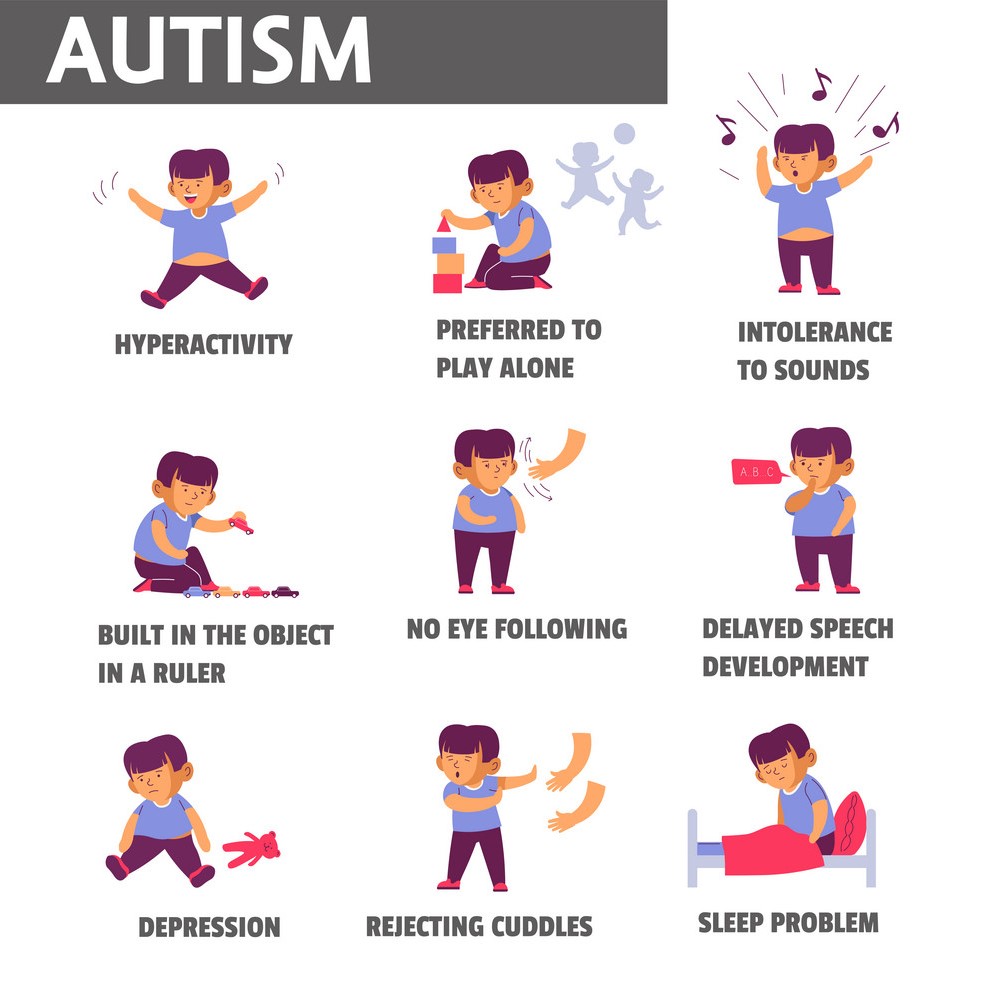
Myth 4: A Diagnosis Means a Label
The Label vs. the Person Debate
Many fear that a formal diagnosis will pigeonhole an individual. In truth, a diagnosis is a tool—an informed passport that opens doors to tailored support, accommodations, and community belonging.
- Legal accommodations – workplace adjustments, education plans Access to services – speech therapy, occupational therapy, counseling Self‑advocacy – understanding strengths and challenges
Light humor: “Think of a diagnosis as a badge, not a prison sentence—like a superhero cape that grants you superpowers.”
Myth 5: The Process is Expensive and Out of Reach
Cost Misconceptions
While some services are fee‑for‑service, many are covered by Medicare, the National Disability Insurance Scheme (NDIS), or state health plans. The key is to understand eligibility and available subsidies.
- Medicare Benefits Schedule – covers certain assessments NDIS funding – supports ongoing therapy and support services State health schemes – may offer free or subsidized evaluations
Bullet points for navigating Difficulty with name recognition costs:
- Check your eligibility – NDIS participant or not? Ask about sliding scale fees – some private providers adjust based on income Seek community resources – local autism support groups often have referral networks
Rhetorical question: Is a diagnosis a luxury or a necessity? For many, it is the bridge between uncertainty and empowerment.
The Bottom Line: What Are the Common Misconceptions About Autism Assessment in Australia?
The myths above illustrate how misconceptions can create barriers. The reality is that autism assessment in Australia is a nuanced, collaborative, and often life‑changing process. It is not a one‑day fix, not limited to children, not uniform across the country, not merely a label, and not necessarily expensive. Understanding these facts empowers families, educators, and clinicians to navigate the system with confidence.
Takeaway Checklist
- Assessments are multi‑step, not instant. Adults can and should be assessed. Service models differ by region and provider. A diagnosis is a key, not a jail. Funding options exist; explore them early.
If you’re thinking about pursuing an assessment—or already on the journey—keep this guide handy. It can help you ask the right questions, challenge unfounded fears, and focus on the real benefits of a well‑conducted evaluation.

Remember, the goal is not just a diagnosis but a roadmap to support and growth. So, take that first step, gather your questions, and let the assessment process become a stepping stone rather than a stumbling block.